21-Day Birding Expedition: Uganda & Rwanda
This 21-day Uganda and Rwanda birding expedition is designed for dedicated birders seeking an exceptional mix of Albertine Rift endemics, sought-after forest specialists, wetland rarities, and classic East African savannah species. Traversing a remarkable range of habitats—from Lake Victoria papyrus swamps and lowland rainforest to montane bamboo, afro-alpine zones, acacia woodland, and the volcanic highlands—the itinerary targets many of the region's most desirable birds.
The journey opens around Entebbe, where the botanical gardens and lakeshore woodland provide an excellent introduction to Uganda's avifauna. A key early highlight is an excursion into the papyrus-lined channels of Mabamba Bay, one of Africa's most reliable sites for the prehistoric-looking Shoebill. Here, patient scanning may also produce papyrus specialists and a diverse selection of waterbirds.
From there, the route explores Uganda's major birding landscapes, including Murchison Falls National Park, Queen Elizabeth National Park, and Bwindi Impenetrable National Park. Nile boat cruises, savannah game drives, riverine woodland walks, and carefully paced forest birding create opportunities for a broad and rewarding list, while also allowing for excellent mammal viewing—including the possibility of the "Big Five" in appropriate areas.
Bwindi forms a central focus of the safari. Its ancient, mist-shrouded forest is among Africa's premier birding destinations and a stronghold for numerous Albertine Rift endemics. The extension into Rwanda adds further elevation and habitat diversity, enhancing prospects for regional specialities and completing a truly comprehensive Albertine Rift birding experience.
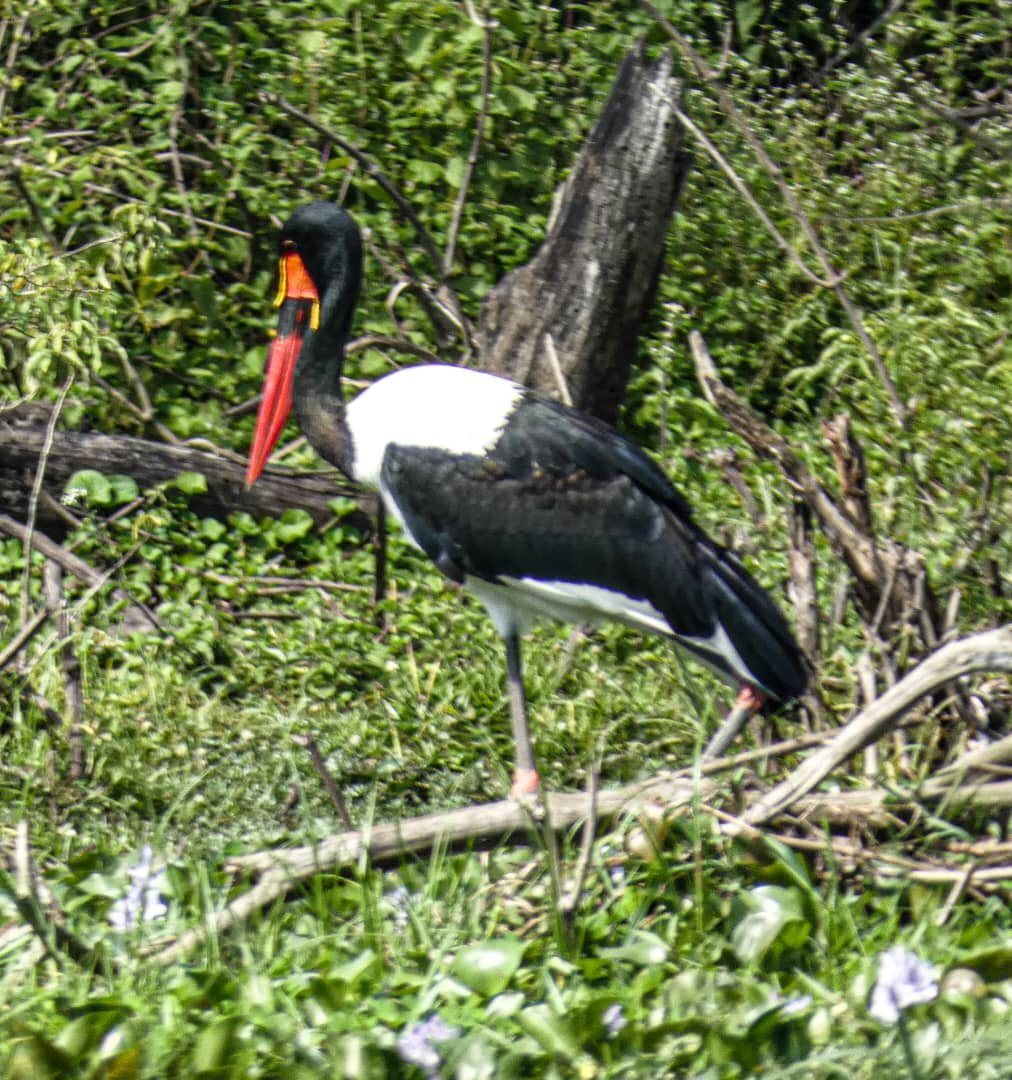
- Arrival at Entebbe International Airport
- Birding in Mabamba Wetlands & Transfer to Soroti Town
- Birding around Lake Bisina – Search for Fox's Weaver and Karamoja Apalis
- Birding along the Nile River & Murchison Falls
- Morning Birding & Game Drive in Murchison Falls National Park – Search for the Big Five
- Birding in Budongo Forest – Search for Brown Illadopsis, Puvel's Illadopsis, and other forest species
- Afternoon Birding Walk in Kibale Forest
- Early-Morning Chimpanzee Trekking in Kibale Forest
- Birding along the Kazinga Channel
- Game Drive & Birding in Queen Elizabeth National Park
- Birding in the Ishasha Sector of Queen Elizabeth National Park
- Gorilla Trekking in Bwindi Impenetrable National Park
- Birding in Bwindi Impenetrable National Park
- Scenic Cross-Border Transfer to Volcanoes National Park, Rwanda
- Birding in Volcanoes National Park, Rwanda
- Birding in Nyungwe Forest National Park, Rwanda
- Kigali City Tour & Birding around Kigali
- Golden Monkey Trekking in Volcanoes National Park
- Departure from Kigali International Airport
On arrival at Entebbe International Airport, you will be welcomed and transferred to a Lodge or Hotel for check-in and a short period of relaxation. Later in the afternoon, embark on an introductory birding excursion to the nearby Entebbe Botanical Gardens on the shores of Lake Victoria. This mature lakeside habitat offers an excellent first encounter with Uganda's rich avifauna. Key possibilities include Gabar Goshawk, Lizard Buzzard, African Harrier-Hawk, Yellow-billed Kite, Black-and-white-casqued, Crowned and Piping Hornbills, Egyptian Goose, Little Egret, Pied and Woodland Kingfishers, Little and Orange Weavers, Great and Long-tailed Cormorants, Yellow-fronted Tinkerbird, Rüppell's Starling, Grey Parrot, Great Blue and Ross's Turacos, among many others.
Meal Plan: Lunch and Dinner
Accommodation Options:
After an early breakfast, we transfer to Mabamba Bay Swamp for a focused boat excursion across the papyrus-fringed wetlands of Lake Victoria. Our principal objective is the remarkable Shoebill, one of Africa's most sought-after wetland species. With an early Shoebill encounter, we will devote time to birding the marsh margins and adjacent cultivation plots. Likely wetland species include White-faced Whistling Duck, Yellow-billed Duck, African and Western Marsh Harriers, African Fish Eagle, African Swamphen, African and Lesser Jacanas, Long-toed Lapwing, Common Sandpiper, Blue-breasted Bee-eater, Papyrus Gonolek, White-winged Swamp Warbler, Malachite Kingfisher, and Northern Brown-throated and Weyn's Weavers. After a late lunch, we continue north-east to Soroti, where we spend the next two nights.
Meal Plan: Breakfast, Lunch and Dinner
Accommodation Options:
Uganda's sole endemic, Fox's Weaver, is the day's key target around Lake Bisina, alongside the highly range-restricted Karamoja Apalis.
Meal Plan: Breakfast, Lunch and Dinner
Accommodation Options:
After an early breakfast we'll drive to Murchison Falls National Park, pausing en route for targeted roadside birding. After lunch we'll take a guided boat trip on the Nile into papyrus channels where a small, resident shoebill population can often be located. We'll end the day at the spectacular top of Murchison Falls for sweeping views and late-day raptors.
Meal Plan: Breakfast, Lunch and Dinner
Accommodation Options:
After an early breakfast we will embark on a focused game drive, scanning the park's habitats for both the iconic "Big Five" and a rich suite of avifauna. Expect targeted searching for specialty and range-restricted species such as Abyssinian Ground Hornbill, the highly localized Dusky Babbler, Red-winged Grey Warbler, Gambaga Flycatcher, Northern Red Bishop, and White-browed Sparrow-weaver. After the drive we'll transfer to Masindi for dinner and a comfortable two-night stay.
Meal Plan: Breakfast, Lunch and Dinner
Accommodation Options:
After an early breakfast we transfer to Budongo Forest for a full morning of targeted birding. Our search will focus on forest specialists and canopy denizens, including Brown Illadopsis and Puvel's Illadopsis; Chestnut-capped Flycatcher and Dusky Crested-flycatcher; Fraser's Forest-flycatcher and Crested Malimbe; and the secretive Nahan's Francolin. We will also seek Rufous-sided Broadbill, Uganda Woodland-warbler, Brown-chested and Fire-crested Alethe, and both Black-capped and Buff-throated Apalis.
We will remain until dusk to maximise detections, then search for Fiery-necked Nightjar as darkness falls. After the nightjar survey we return to Masindi for dinner and our second night's accommodation.
Meal Plan: Breakfast, Lunch and Dinner
Accommodation Options:
After an early breakfast we depart for the scenic town of Fort Portal, a mostly driving day with quality birding en route. Stops will be made at prime roadside habitats—riverine forest edges, cultivated wetlands, and forest fragments—to search for regional specialties and migratory passage birds. We arrive in Fort Portal in the late afternoon for an overnight stay.
Meal Plan: Breakfast, Lunch and Dinner
Accommodation Options:
After an early breakfast we transfer to Semliki National Park, where the site's exceptional lowland forest and riverine mosaics host a suite of highly localised and sought-after species. Target hornbills include Red-billed Dwarf, Black Dwarf, White-crested, White-thighed, Black-casqued and African Pied. Riverine and swamp habitats regularly produce Hartlaub's Duck, Spot-breasted Ibis and Long-tailed Hawk, while dense forest interiors conceal cryptic species such as Nkulengu Rail and the scarce Bronze-naped Pigeon.
Meal Plan: Breakfast, Lunch and Dinner
Accommodation Options:
We will start before dawn with a hearty breakfast, then set out to scan the roadside habitats for early song and movement. Our first stop is the rift escarpment, a magnet for forest-edge and savanna species. After a final sweep of the escarpment, we'll continue west to Kibale National Park. You'll be based for the next two nights at a lodge positioned for easy morning access to the park's rich forest birding.
Meal Plan: Lunch and Dinner
Accommodation Options:
An early wake-up is essential. We will enter the forest at first light to search for the star species here, the Green-breasted Pitta, a real mega for this site. Expect concentrated listening and careful, slow walking through the dim understory as we call and scan for its distinctive hopper-like movements and rich, whistled phrases. Other species we will be actively targeting include Hairy-breasted and Yellow-spotted Barbets, Brown-eared and Yellow-crested Woodpeckers, Purple-headed Starling, Velvet-mantled Drongo, and Masked Apalis.
Meal Plan: Breakfast, Lunch and Dinner
Accommodation Options:
This morning, after breakfast, embark on a focused birding excursion to the community-managed Bigodi Wetland Sanctuary on the edge of Kibale National Park. This exceptional mosaic of papyrus swamp, forest, and open wetland supports an impressive diversity of Albertine Rift and Central African bird species. Target species include African Goshawk, the elusive White-spotted Flufftail, Red-headed Malimbe, Red-faced Cisticola, Winding Cisticola, White-collared Oliveback, Blue-throated Roller, Double-toothed, Grey-throated and Yellow-billed Barbets, Blue-headed and White-browed Coucals, Snowy-crowned Robin-Chat, Black-crowned Waxbill, and Magpie Mannikin. Return to the lodge for a hot lunch, then continue south to Queen Elizabeth National Park.
Meal Plan: Lunch and Dinner
Accommodation Options:
Begin the day with an early breakfast before setting out on a dawn game drive through the open savannah of Queen Elizabeth National Park. The morning's priority will be locating the park's big cats—particularly African Lion and Leopard—while taking time to appreciate the rich diversity of plains game. For birding enthusiasts, the early hours provide excellent opportunities to scan the skies and acacia-dotted plains for raptors.
After lunch, embark on an unhurried boat cruise along the Kazinga Channel, one of Uganda's most rewarding birding waterways. The channel's papyrus-fringed shores, mudbanks, and open water attract a superb mix of waterbirds and large mammals. After dinner, conclude the day with a night game drive, focusing on the park's elusive nocturnal wildlife.
Meal Plan: Breakfast, Lunch and Dinner
Accommodation Options:
We depart early after breakfast and drive toward Bwindi Impenetrable National Park, with regular stops for roadside birding en route. The journey traverses a variety of habitats — farmland edges, montane forest fragments, and wetland pockets — offering opportunities to encounter species such as Ruwenzori Turaco, Yellow-eyed Black Flycatcher, and a variety of sunbirds and bush-shrikes. On arrival in Buhoma we will check in to a lodge for a three-night stay. After settling in, we will take a short orientation walk around the park headquarters to begin our acclimatization and to sample the local avifauna.
Meal Plan: Lunch and Dinner
Accommodation Options:
After breakfast we'll set out with packed lunches for a full day along the waterfall trail, a prime patch of Albertine Rift forest where targeted, skillful birding often yields some of the region's most sought-after endemics. Priority targets for the day include Dwarf Honeyguide, Neumann's Warbler, Red-throated Alethe, Oberländer's and Abyssinian (Kivu) Ground-thrushes, Albertine and Willard's Sooty Boubous, and the jewel-like Blue-headed and Purple-breasted Sunbirds.
Meal Plan: Lunch and Dinner
Accommodation Options:
After an early breakfast you may choose between two specialist options: a park-organised Gorilla tracking excursion (pre-booking required; additional fee) or a full day of focused forest birding to search for species not yet recorded on our trip list. Gorilla tracking participants will be escorted to the park headquarters for the mandatory briefing and ranger allocation. Birders who remain in the forest will pursue targeted birding routes optimized for canopy and understorey species.
Meal Plan: Breakfast, Lunch and Dinner
Accommodation Options:
After breakfast we transfer to Ruhija, traversing the narrow "neck" that links sectors of Bwindi Impenetrable National Park. This corridor is rich birding habitat and an excellent opportunity to pick up species missed in Buhoma. Target species en route include African Black Duck, Many-coloured Bushshrike, Chapin's Flycatcher, Rufous Flycatcher-thrush, Olive-green Camaroptera, Green and White-browed Crombecs, Black and Cinnamon-chested Bee-eaters, Grey-chinned and Little Green Sunbirds, and the local Albertine Rift specialist Jameson's Antpecker, among others.
Meal Plan: Breakfast, Lunch and Dinner
Accommodation Options:
Full-day birding in Mubwindi Swamp — the wetland that gives Bwindi its name — following a trail aimed at the highly local and secretive Grauer's Broadbill. The walk can be lengthy and demanding, but the swamp's rich montane forest yields constant interest: Albertine Rift specials such as Handsome Spurfowl, Archer's Robin-chat, Grauer's Warbler, Red-faced Woodland Warbler, Yellow-eyed Black-flycatcher and Strange Weaver.
Meal Plan: Breakfast, Lunch and Dinner
Accommodation Options:
Early-morning birding begins along the main road, with special emphasis on the bamboo zone in pursuit of the highly localized Bamboo Warbler. We'll move slowly and quietly through prime bamboo stands, using call playback sparingly and relying on focused listening and careful scope work to secure views. After a hot lunch and mid-day rest at the lodge, we head out again late afternoon. As dusk falls we'll concentrate on locating Montane (Rwenzori) Nightjar at known lek and roost sites.
Meal Plan: Breakfast, Lunch and Dinner
Accommodation Options:
After breakfast we'll cross south into Rwanda, with targeted birding stops along the route to search for range-restricted and migratory species. Expect short, guided roadside and wetland walks where we'll focus on vocal identification, plumage details, and habitat cues. In the late afternoon we will arrive at Gishakura Guesthouse, our base for two nights—an ideal location for dawn and dusk surveys of local forest edge and agricultural habitats.
Meal Plan: Breakfast, Lunch and Dinner
Accommodation Options:
After breakfast we spend a full day surveying the montane rainforest of Nyungwe, one of East Africa's premier birding sites. Nyungwe holds many of the Albertine Rift's endemics — some shared with nearby Ugandan forests, others easier to locate or essentially restricted to this forest. Our primary targets in the canopy and midstorey include Rwenzori Turaco and the skulking Kungwe (Kungue) Apalis. We'll listen carefully for the high, wavering notes of the Albertine Owlet at dawn and examine likely owlet microhabitats with quiet, patient searches.
Meal Plan: Breakfast, Lunch and Dinner
Accommodation Options:
After an early breakfast, we'll set out for the scenic six-hour transfer to Kigali International Airport, timing our arrival to allow for visa formalities and your onward flight home.
Meal Plan: Breakfast and Lunch
Included
- Accommodation on a full-board basis
- One gorilla trekking permit per person
- Park entrance fees
- Private guided sightseeing as outlined in the itinerary
- All airport and road transfers as detailed in the itinerary
Excluded
- Drinks and beverages
- Gratuities and personal tips
- International and/or domestic flights
- Travel and medical insurance
- Visa fees and related entry requirements